
Key Differences Between The Juvenile And Adult Systems
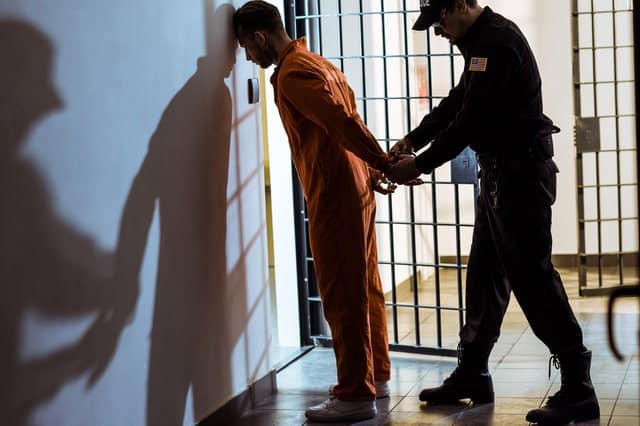
The juvenile and adult justice systems serve different purposes, especially regarding rehabilitation and punishment, court proceedings, and sentencing.
Rehabilitation vs. Punishment
The primary aim of the juvenile justice system is rehabilitation, while the adult system emphasizes punishment. Juvenile cases focus on providing guidance and corrective programs to redirect minors, emphasizing that their age often indicates greater potential for change.
According to studies, young people under 18 have a higher rate of reform than adults due to developmental factors and the influence of interventions focused on education and personal growth (Juvenile Justice Center). Conversely, the adult system generally seeks to hold offenders accountable through punitive measures, emphasizing retribution and the protection of society over personal reform.
Court Proceedings

Differences in court proceedings reflect the contrasting goals of each system. Juvenile court proceedings are typically closed to the public to protect minors’ privacy, and records are often sealed. In contrast, adult cases are usually public, with permanent criminal records that may impact an individual’s future opportunities. Additionally, juvenile hearings are typically more informal, and the language used is adapted to focus on the minor’s best interests rather than on purely legal principles.
Sentencing
Sentencing in the juvenile system favors non-incarceration options like probation, counseling, or placement in rehabilitation programs. Juvenile detention facilities prioritize a rehabilitative environment, and sentences are generally shorter, extending only until the juvenile reaches a certain age (often 21). Meanwhile, adult sentencing includes incarceration in jails or prisons, with the potential for life sentences or capital punishment, depending on the severity of the offense. This distinction underscores society’s view of minors as redeemable and adults as fully responsible for their actions.
Legal Terms in Juvenile Justice
- Adjudication: Adjudication in juvenile court refers to the process of determining if a minor is responsible for a delinquent act, similar to a verdict in adult courts. However, rather than being “convicted,” juveniles are “adjudicated delinquent,” which emphasizes the focus on rehabilitation over punishment.
- Detention: Detention for juveniles involves temporary placement in a juvenile detention center while awaiting court proceedings or serving short-term sentences. Detention centers for minors focus more on education and rehabilitation compared to adult jails, which serve a punitive function.
- Rehabilitation: Rehabilitation aims to help juveniles correct their behavior and reintegrate into society. The juvenile system prioritizes programs, such as counseling, mentorship, and educational opportunities, over punitive measures, with the belief that early intervention can prevent future offenses.
- Probation: Probation is a common alternative to incarceration for juveniles, allowing them to remain in the community under supervision. Juvenile probation often includes requirements like attending school, undergoing counseling, and performing community service, all aimed at supporting positive behavioral change.
Circumstances for Trying a Juvenile as an Adult

In certain cases, juveniles may be tried as adults, generally when the offense is severe, such as violent felonies or repeat serious offenses. Each state has criteria that may include the minor’s age, the nature of the crime, and prior juvenile records. Judges, prosecutors, and in some states, automatic transfer laws, can influence the decision. For example, a juvenile aged 16 or older involved in serious crimes like murder may be transferred to adult court (National Center for Juvenile Justice).
The process for transferring a juvenile involves a “waiver hearing,” where the court assesses whether the juvenile system can meet public safety needs and rehabilitate the minor. Once transferred, the juvenile faces adult sentencing, which may include lengthy incarceration, potentially impacting their entire life trajectory.
It is important to note that the transfer of a juvenile to adult court is not a guaranteed outcome. There are factors that can be presented in the waiver hearing to argue for keeping the minor in juvenile court, such as their age and potential for rehabilitation. It is crucial for parents or guardians of juveniles facing criminal charges to seek legal counsel from an experienced attorney who specializes in juvenile law.
At Frye Law Group, we understand the complexities and sensitivity involved in cases involving minors. Our team has extensive experience representing juveniles and advocating for their rights within the justice system. We work diligently to ensure that our clients receive fair treatment and proper representation during this challenging time.